Taiwan tuna-fishing association launches fishery improvement project to gain MSC certification
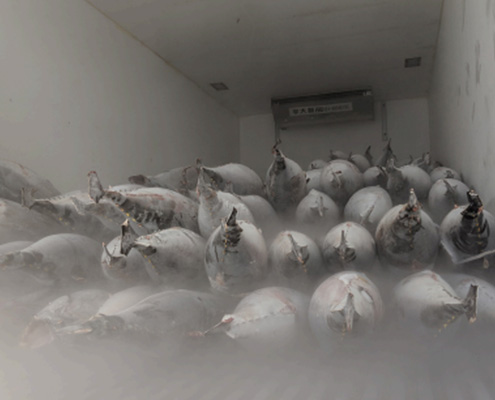
Arecently launched partnership in Taiwan has set up a fishery improvement project (FIP) for the nations tuna fishery, aiming to achieve certification to the Marine Stewardship Council standard

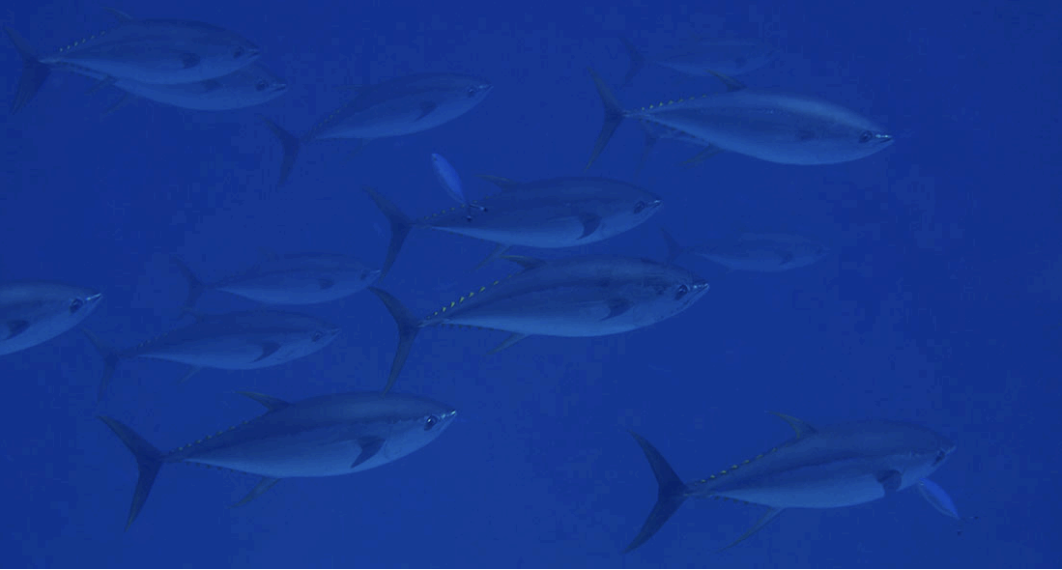
Ocean Outcomes (O2), a U.S.-based nonprofit, partnered with the Taiwan Tuna Longline Association (TTLA), the largest fishing vessel member association in Taiwan, in April 2024 to improve fishing practices among Taiwanese longline tuna vessels. Now, that partnership has launched its first FIP, applying to 41 TTLA vessels with a combined catch of 3,500 metric tons (MT) of Pacific albacore, bigeye, and yellowfin tuna.

The new FIP is the second in Taiwan that O2 has announced this year. The organization established a FIP with Fue Shin Fishery that aimed to improve environmental and labor standards on 10 longline tuna vessels in the Indian Ocean. That FIP applied to albacore,skipjack, bigeye, and yellowfin tuna, with a similar goal of achieving MSC certification.The new FIP with TTLA, O2 said, is the first launched by the association and is working to achieve MSC certification by 2029.

作者:Chris Chase
資料來源:https://www.seafoodsource.com/news/environment-sustainability/taiwan-based-tuna-fishing-association-launches-fishery-improvement-project-to-gain-msc-certification
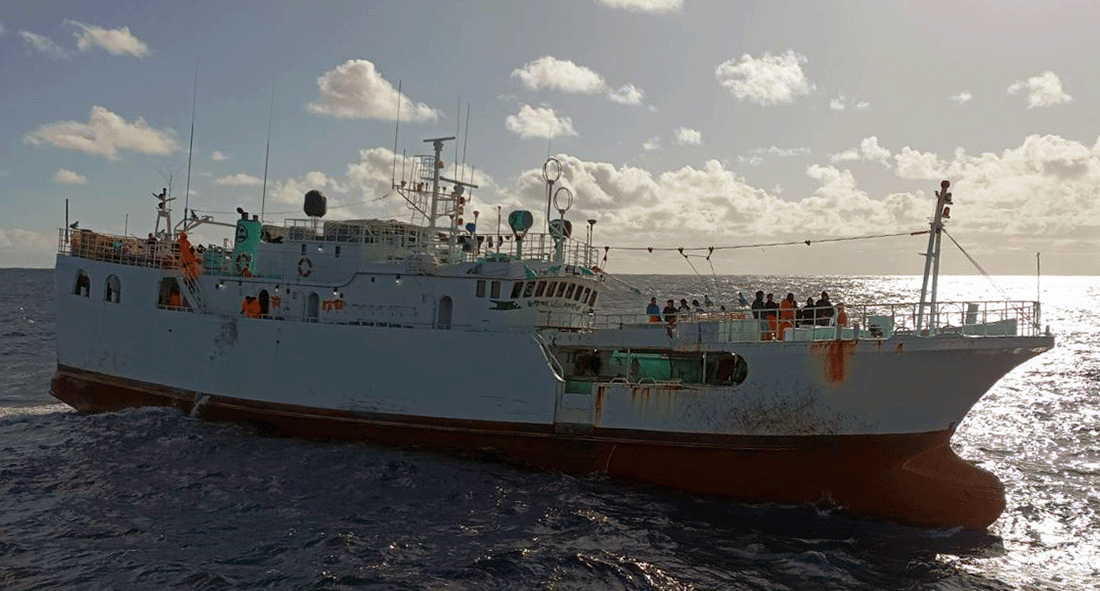
Ocean Outcomes, Fue Shin FIP designed to combat Taiwanese longline tuna IUU fishing

Ocean Outcomes, a Portland, Oregon, U.S.A.-based nonprofit, recently established a fisheries improvement project (FIP) with Taiwan-based Fue Shin Fishery (FSF) that aims to improve environmental and labor standards on 10 longline tuna vessels in the Indian Ocean.

The wider goal of the FIP is “to improve fishery management strategies, environmental oversight, fishing practices, and crew welfare” on the 10 vessels, which net an annual tuna catch of 1,600 metric tons (MT) according to Ocean Outcomes.

The FIP covers Indian Ocean albacore, skipjack, bigeye, and yellowfin tuna, with the latter two species having “significant concerns about [their] stock status,” according to the Ocean Outcomes website. If all goes to plan, the long-term objective is for FSF to secure Marine Stewardship Council (MSC) certification by mid-2028.“A FIP is by far the most comprehensive strategy to address our environmental, social, and governance needs. Some tuna stocks in the Indian Ocean are severely depleted, human rights at sea require more transparency, and RFMOs [regional fisheries management organizations] need to take precautionary measures to preserve marine biodiversity,” FSF CEO David Huang said.

作者:Mark Godfrey
資料來源:https://www.seafoodsource.com/news/premium/environment-sustainability/mark-ocean-outcomes-fue-shin-fip-designed-to-combat-taiwanese-longline-tuna-iuu-fishing

Leading Taiwanese Tuna Company Pursues Sustainability Status

A significant step forward for tuna sustainability in Taiwan

A significant step forward for tuna sustainability in Taiwan

30 March 2022-Ocean Outcomes (O2) and Fue Shin Fishery Ltd. (FSF) are expanding the sustainable seafood movement to Taiwanese longline tuna fisheries. Two joint projects will improve environmental oversight and labor conditions on roughly 30 longline vessels which catch albacore, bigeye, yellowfin and skipjack tunas in the Pacific and Indian Oceans.

This is a significant step forward for tuna sustainability in Taiwan, which has the largest longline tuna fleet in the world. The work will be completed through two fishery improvement projects,which will implement changes in the fisheries in pursuit of Marine Stewardship Council sustainability certification. Tuna from the projects supplies major international buyers looking to ensure their due diligence around sustainable, responsibly produced tuna.

A bigger wave of change

These projects are part of a bigger wave of change O2 is championing across Northeast Asian longline tuna fishing vessels, where roughly 10% of longline vessels are now part of either improvement projects or certification programs.

資料來源:https://www.oceanoutcomes.org/news/leading-taiwanese-tuna-company-pursues-sustainability-status-release/

Indian Ocean Longline Tuna Project Launches

Working towards providing sources of sustainable, socially responsible tuna to global markets

Ocean Outcomes (O2) and Fue Shin Fishery Ltd. (FSF) have launched a new project to improve fishery management strategies, environmental oversight, fishing practices and crew welfare on 10 participating Taiwanese and Chinese longline vessels. Collectively, the vessels catch around 1,600 metric tons of Indian Ocean albacore, bigeye, yellowfin and skipjack tunas annually, around half of which supplies markets in the United States (the remaining catch goes to Thailand for processing and then is often exported further). The project a newly-minted Fishery Improvement Project (FIP) will work to address both environmental and social needs in the fishery, towards the goal of achieving Marine Stewardship Council Certification by mid 2028.

“A FIP is by far the most comprehensive strategy to address our environmental, social and governance needs. Some tuna stocks in the Indian Ocean are severely depleted,human rights at sea require more transparency, and RFMOs need to take precautionary measures to preserve marine biodiversity,” said FSF CEO David Huang. “That’s why we’re launching this FIP to guide us in meeting these challenges and so that we can meet the MSC Fisheries Standard by 2028.”

As part of the work, FSF and O2 will improve quality, verification and provision of participating vessel catch data, better documenting and mitigating interactions with endangered, protected and threatened species. In addition, the teams are assessing social risks against globally recognized best practices and will work to identify and then address any human and labor rights needs on the participating vessels, such as ensuring fair working conditions for vessel crew.

This project is part of a growing partnership between FSF and O2 – launched last year – in which O2 is helping to develop and implement projects for both FSF Indian Ocean and Pacific Ocean tuna fisheries. Unlike any work in the region to date, the projects between the two companies are both working to support environmental and social outcomes.”


資料來源:https://www.oceanoutcomes.org/news/fsf-O2-indian-ocean-tuna-fishery-improvement-sustainability-project-launched-announcement/